
As summer temperatures rise across Long Island, your air conditioning system works harder to keep your home comfortable.
Many homeowners notice their energy bills increasing or their AC struggling to cool the house, but they often overlook one of the most common causes: dirty condenser coils. The outdoor condenser unit plays a critical role in removing heat from your home, and when its coils become covered with dirt, grass clippings, pollen, and debris, your entire system loses efficiency.
Dirty condenser coils force your air conditioner to work longer and harder to achieve the same cooling results, leading to higher utility bills, reduced comfort, and potentially costly repairs. Understanding how condenser coils affect AC efficiency can help homeowners prevent breakdowns and keep their cooling systems operating at peak performance throughout the summer.
What Are Condenser Coils?
Your air conditioning system consists of two primary components:
- Indoor evaporator coil
- Outdoor condenser coil
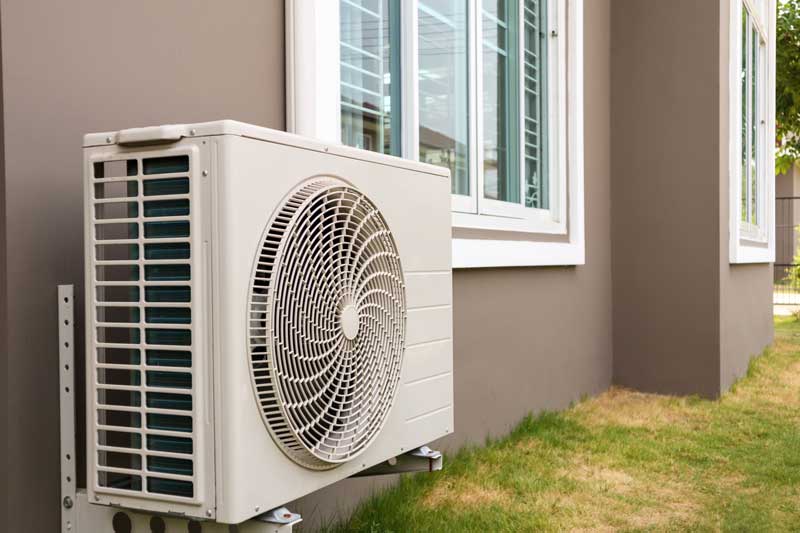
The condenser coil is located inside the outdoor unit and is responsible for releasing heat collected from inside your home. As refrigerant travels through the system, the condenser coil allows that heat to dissipate into the outdoor air.
When the coils are clean, heat transfer occurs efficiently. When they become dirty, the process becomes much more difficult.
How Dirty Condenser Coils Impact AC Efficiency
Reduced Heat Transfer
Condenser coils are designed to transfer heat quickly and effectively. Dirt and debris create an insulating barrier around the coil surfaces, making it harder for heat to escape.
As a result:
- Cooling cycles take longer
- Indoor temperatures rise
- System performance decreases
- AC efficiency drops significantly
Even a thin layer of dirt can reduce heat transfer and negatively impact overall system performance.
Increased Energy Consumption
When condenser coils are dirty, your air conditioner must run longer to cool your home. This leads to:
- Higher electricity usage
- Increased monthly utility bills
- More wear and tear on equipment
Many homeowners are surprised to learn that dirty coils can increase cooling costs by 20% or more over time.
Higher System Temperatures
Dirty coils trap heat inside the condenser unit. This causes:
- Elevated refrigerant pressures
- Increased compressor temperatures
- Greater strain on electrical components
The harder your system works, the more likely it is to experience premature component failure.
The Compressor Pays the Price
The compressor is often called the "heart" of your air conditioning system. When condenser coils become dirty, the compressor must work harder to force refrigerant through the system. Over time, this additional strain can lead to:
- Compressor overheating
- Reduced lifespan
- Costly repairs
- Complete system failure
Because compressor replacement is one of the most expensive AC repairs, routine coil cleaning is a smart investment.
Common Causes of Dirty Condenser Coils
Several factors contribute to coil contamination, especially during Long Island summers.
Landscaping Debris
Nearby trees, shrubs, and lawns can release grass clippings, leaves, seeds, and dirt that accumulate on the outdoor unit throughout the season.
Pollen and Airborne Dust
Spring and summer pollen levels can be extremely high in Suffolk County. Airborne particles stick to the coil surfaces and gradually reduce airflow.
Coastal Conditions
Homes located near the shoreline may experience additional buildup from salt air, sand particles, and moisture accumulation. These environmental factors can accelerate coil deterioration and reduce AC efficiency.
Lack of Annual Maintenance
Without professional cleaning, dirt continues to build up year after year, causing efficiency losses that many homeowners don't notice until utility bills begin rising.
Warning Signs Your Condenser Coils Need Cleaning
Watch for these common symptoms:
Rising Energy Bills
If your cooling costs suddenly increase without a change in usage, dirty condenser coils may be reducing AC efficiency.
Longer Cooling Cycles
Your AC runs continuously or struggles to reach the thermostat setting.
Warm Air From Vents
Reduced heat transfer can cause cooling performance to decline noticeably.
Frequent System Cycling
Your air conditioner turns on and off more often than usual.
Outdoor Unit Appears Dirty
Visible dirt, leaves, grass, or debris around the condenser are clear indicators that cleaning may be needed.
How Professional Coil Cleaning Helps
A professional AC maintenance visit includes cleaning the condenser coils using specialized equipment and techniques. Benefits include:
- Improved AC efficiency
- Lower utility bills
- Better cooling performance
- Reduced compressor strain
- Longer equipment lifespan
- Fewer unexpected breakdowns
Professional technicians also inspect the entire system for developing issues before they become expensive repairs.
How Often Should Condenser Coils Be Cleaned?
Most homeowners should schedule professional AC maintenance at least once per year. More frequent cleaning may be beneficial if your home is surrounded by trees, is near the water, experiences heavy pollen exposure, or has significant landscaping near the condenser unit.
Regular maintenance ensures maximum AC efficiency throughout the cooling season.
Additional Tips to Improve AC Efficiency
Along with coil cleaning, homeowners can improve performance by:
- Changing air filters regularly
- Keeping vents unobstructed
- Sealing air leaks around doors and windows
- Installing a programmable thermostat
- Scheduling annual HVAC tune-ups
- Keeping vegetation at least two feet away from the condenser unit
These simple steps can significantly reduce cooling costs while improving indoor comfort.
Frequently Asked Questions
Can I clean condenser coils myself?
While homeowners can remove visible debris around the unit, professional cleaning is recommended to avoid damaging delicate coil fins and to ensure a thorough cleaning.
How much efficiency can dirty coils reduce?
Depending on the severity of the buildup, dirty condenser coils can reduce AC efficiency substantially and significantly increase operating costs.
Does coil cleaning help lower electric bills?
Yes. Clean coils improve heat transfer, allowing your system to cool your home more efficiently and consume less energy.
Can dirty coils cause AC breakdowns?
Yes. Dirty coils increase stress on critical components such as the compressor, potentially leading to expensive repairs or system failure.
Is condenser coil cleaning included in AC maintenance?
A comprehensive air conditioning maintenance service typically includes condenser coil inspection and cleaning as needed.

